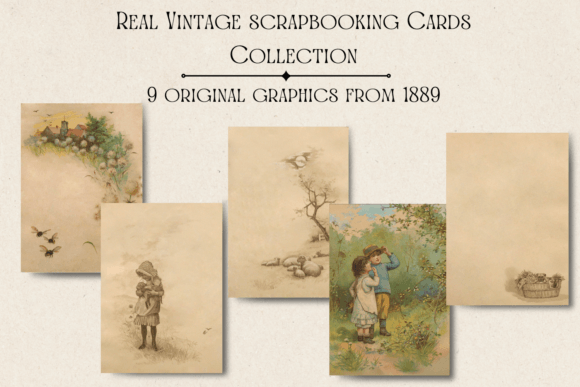
Rediscover Artistry with Real Vintage Scrapbooking Cards
A Glimpse into the Late 19th Century
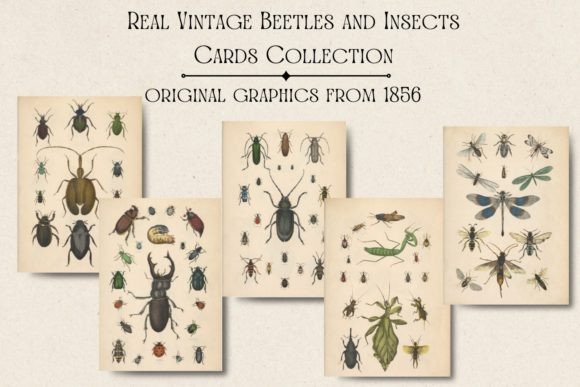
There is a specific weight to history that you can feel when holding a piece of the past. In the world of digital design, we often strive to recreate that texture, but nothing compares to the authenticity of the source material. The collection of Real Vintage Scrapbooking Cards offers a direct portal to 1889, featuring a stunning array of graphics sourced from the National Polish Digital Library. These are not merely recreations; they are high-fidelity, 300 dpi scans of genuine artifacts, preserving the intricate details and imperfections that make vintage art so compelling.
For the designer or crafter who values authenticity, this collection serves as a bridge between modern digital convenience and historical artistry. The set includes nine JPG files in A4 format, providing ample space for manipulation, cropping, and resizing. Whether you are a seasoned graphic artist or a hobbyist looking to elevate a personal project, these graphics provide a unique foundation. The appeal lies in the "personality" of the cards—they carry the visual language of the late 19th century, characterized by ornate typography and illustration styles that are difficult to replicate with modern software.
Integrating Vintage Elements into Modern Branding
Using vintage elements in modern design requires a delicate balance. While a modern sans serif font speaks to efficiency and minimalism, incorporating these vintage cards can add a layer of depth, storytelling, and warmth to a brand identity. This collection is particularly useful for projects that aim to evoke nostalgia, heritage, or artisanal quality. Imagine using a cropped section of one of these cards as a background texture for a logo design, or utilizing the ornate borders as frames for social media graphics.
The versatility of these assets extends across various mediums. For packaging design, a vintage card graphic can serve as a centerpiece, suggesting that the product inside is crafted with care and tradition. In editorial design, such as magazine layouts or web design headers, these images can break the monotony of standard stock photography. They function as excellent design assets for creating visual hierarchy; by placing a detailed vintage image alongside clean, modern typography, you draw the viewer’s eye and create a sophisticated contrast.
Practical Applications for Content Creators
For bloggers and content creators, the challenge is often finding imagery that is unique and not overused on the internet. Because these graphics come from a digitized library of historical artifacts, they offer a distinct aesthetic that sets your content apart. You can use them to create:
- Unique Invitations: Perfect for weddings, galas, or themed parties where a historical touch is desired.
- Digital Collages: Layer these cards with modern script fonts or handwritten fonts to create mixed-media art.
- Website Accents: Use them as subtle background elements or featured images for blog posts about history, art, or craft.
- Scrapbooking Projects: Obviously, they serve as the perfect focal point for physical or digital scrapbooks, allowing you to "go back in time" with your layout.
The high-resolution nature of the files (300 dpi) ensures that they remain crisp even when printed, making them reliable for professional print production.
Design Observations and Pairing Strategies
When working with Real Vintage Scrapbooking Cards, the visual complexity of the images is the primary factor to consider. Because 19th-century art often features dense textures and intricate line work, pairing these images with the right typography is crucial for readability.
Avoid using overly decorative display fonts alongside these cards, as the visual noise will compete for attention. Instead, opt for clean, legible typefaces. A geometric sans serif font works exceptionally well to provide a modern counterpoint to the vintage imagery. Alternatively, a sturdy serif font with high legibility can complement the historical nature of the cards without overwhelming the design.
Consider the "mood" of the specific card you are using. Some may feature florals, while others might have geometric or typographic elements of their own. If the card is busy, keep your layout minimal. If the card is a simple illustration, you can afford to be more adventurous with your layout and font choices. This approach ensures that the vintage assets enhance your brand identity rather than cluttering it.
Understanding the Source and Licensing
One of the most significant advantages of this collection is the source material. Sourced from the National Polish Digital Library, these graphics have been carefully scanned to retain the texture of the original paper and the vibrancy of the inks. It is important to note that these graphics are in the public domain. This is a massive advantage for small business owners and entrepreneurs. It means you have the freedom to use these assets in commercial projects without the licensing headaches often associated with stock photography.
You can modify, resize, and incorporate these images into products you sell, whether they are digital downloads or physical merchandise. This freedom allows for maximum creativity. You can recolor them to match your brand palette, overlay text to create posters, or combine them with other design assets to build complex compositions.
Final Thoughts on Creative Freedom
The Real Vintage Scrapbooking Cards collection is more than just a set of images; it is a toolkit for storytelling. In an era dominated by digital perfection, the slight imperfections and organic textures of these 1889 scans offer a refreshing human touch. They remind us of the craftsmanship of the past while providing the flexibility required by modern digital workflows.
By integrating these assets into your work, you are not just decorating a page; you are preserving history and repurposing it for a contemporary audience. Whether you are designing a logo, curating a social media feed, or crafting a physical scrapbook, these graphics provide the authenticity and quality needed to make your project stand out. Embrace the vintage aesthetic and let these historical artifacts elevate your creative vision.